Mar 25, 2026
Clean beauty products often face challenges in production. Learn the most common issues and how to prevent them.
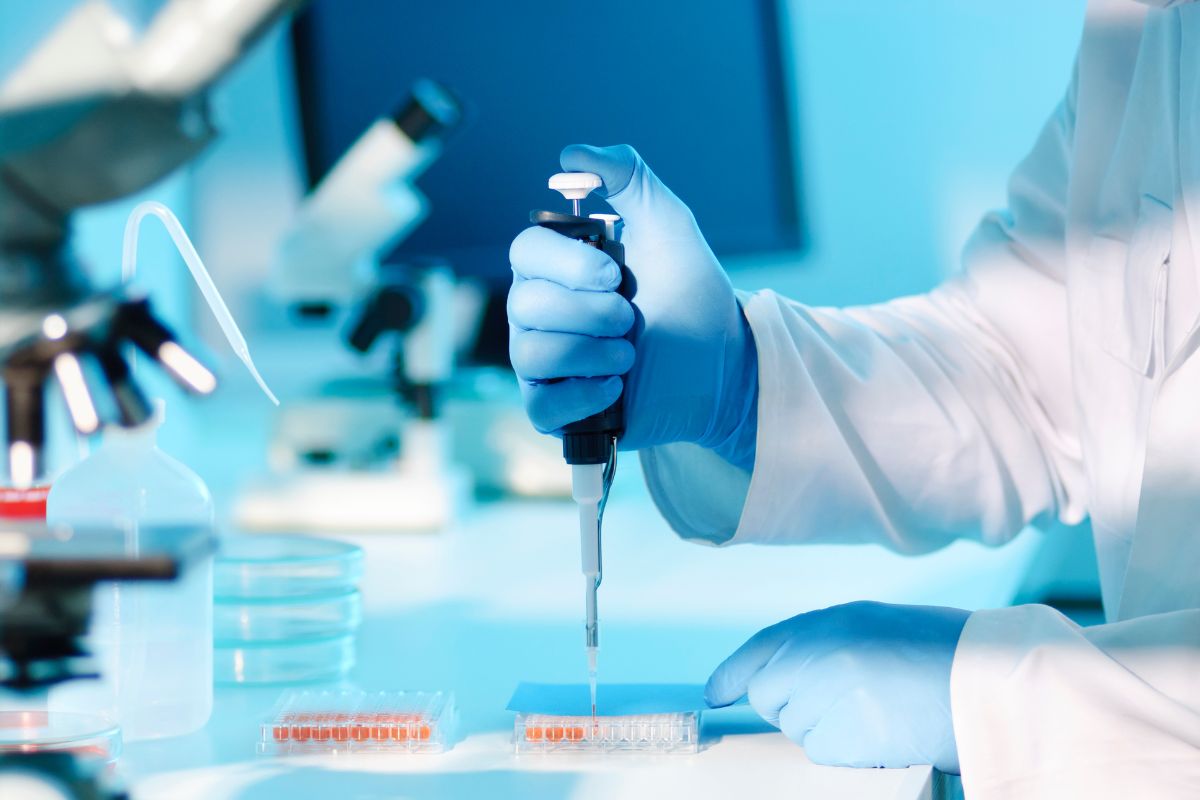
Bringing a clean beauty product to market is a complex process. What works in a lab does not always translate seamlessly into production.
Many founders assume that once a formula is finalized, the hardest part is over. In reality, production is where many clean beauty products begin to fail.
Understanding why these failures happen is the first step toward avoiding them.
What Are the Most Common Cosmetic Manufacturing Issues?
Clean beauty products face unique challenges compared to traditional formulations. Ingredient limitations, stability concerns, and scaling complexities all play a role.
The most common cosmetic manufacturing issues include:
Formula instability during scale-up
Ingredient incompatibility
Microbial contamination risks
Inconsistent texture or performance
Packaging interaction problems
These issues often appear only after production begins, making them more costly to fix.
Why Clean Beauty Formulations Are More Vulnerable
Clean beauty formulations often avoid certain stabilizers, preservatives, and synthetic ingredients.
While this aligns with brand values, it also creates additional formulation challenges.
Limited Ingredient Options
Without traditional stabilizers, formulas require more precise balancing.
Small changes in temperature or process can impact performance.
Increased Sensitivity to Environment
Clean formulations are often more sensitive to:
Heat during production
Exposure to air
Light and storage conditions
This increases the likelihood of separation, discoloration, or degradation.
Preservation Challenges
Preservatives play a critical role in product safety.
Clean beauty products must still protect against microbial growth, even with restricted ingredient options.
This requires careful formulation and testing.
The Gap Between Lab Success and Production Reality
A product that performs well in small batches does not always behave the same at scale.
Production introduces new variables:
Larger batch sizes
Different mixing equipment
Extended processing times
Variations in raw materials
Without proper planning, these differences can lead to unexpected failures.
This is one of the most common cosmetic manufacturing issues brands encounter.
Key Reasons Clean Beauty Products Fail in Production
1. Formulas Are Not Designed for Scale
Some formulas are developed without considering manufacturing conditions.
They may rely on delicate processes that do not translate to large-scale equipment.
2. Stability Testing Is Incomplete
Skipping or rushing stability testing can lead to products that break down over time.
This includes:
Separation
Changes in texture
Loss of efficacy
3. Ingredient Interactions Are Overlooked
Ingredients can behave differently under heat or pressure.
In production, these interactions become more pronounced.
4. Preservation Systems Are Not Robust Enough
A weak preservation system can lead to contamination risks.
This is especially important in clean beauty, where options may be limited.
5. Packaging Is Not Tested with the Formula
Packaging is not just a design decision. It directly affects product stability.
Some materials can interact with formulas, causing degradation or leakage.
How to Avoid Cosmetic Manufacturing Issues
Preventing failure requires a structured, proactive approach.
Work With a Cosmetic Chemist Consultant Early
A cosmetic chemist consultant helps ensure your formula is designed for real-world production.
They consider:
Scalability
Ingredient compatibility
Stability under manufacturing conditions
Early involvement reduces costly revisions later.
Conduct Thorough Stability Testing
Testing should simulate real-world conditions.
This includes:
Temperature variation
Long-term storage
Packaging compatibility
Skipping this step often leads to failure after launch.
Design Formulas for Manufacturing Conditions
Formulas should be built with production in mind.
This includes:
Equipment compatibility
Mixing processes
Batch size adjustments
Validate Preservation Systems
Clean beauty products must still meet safety standards.
Work with experts to ensure your preservation system is effective and compliant.
Partner With the Right Cosmetic Lab
Not all cosmetic labs approach clean beauty the same way.
The right partner brings both formulation expertise and manufacturing experience.
If you are evaluating cosmetic labs, it is important to choose one that understands how to bridge development and production.
Why Cosmetic Product Development Consultants Matter
Cosmetic product development consultants help align formulation with production strategy.
They look beyond the formula and consider the full lifecycle of the product.
This includes:
Development timelines
Manufacturing readiness
Quality control processes
Their role helps reduce risk and improve outcomes.
The Cost of Getting It Wrong
Production failures can impact more than just timelines.
They can lead to:
Delayed product launches
Increased costs from reformulation
Inventory loss
Damage to brand credibility
Addressing issues early is always more efficient than fixing them later.
FAQ: Clean Beauty Manufacturing Issues
Why do clean beauty products fail more often in production?
Clean beauty products use fewer synthetic stabilizers and preservatives. This makes them more sensitive to environmental and processing conditions. Without careful formulation, they are more prone to instability.
Can a formula work in the lab but fail in production?
Yes. Small-batch success does not guarantee large-scale performance. Production introduces variables like equipment, temperature, and batch size that can affect the formula.
How do I prevent instability in my skincare product?
Work with a cosmetic chemist consultant and conduct thorough stability testing. Ensure your formula is designed for manufacturing conditions from the start.
Do clean beauty products need preservatives?
Yes. All products require protection against microbial growth. Clean beauty formulations use alternative preservation systems, but they must still be effective.
What role do cosmetic labs play in preventing production issues?
Cosmetic labs help translate formulations into scalable products. They ensure consistency, stability, and quality during manufacturing.
Building Clean Beauty Products That Perform Beyond the Lab
Clean beauty is not just about ingredient selection. It is about creating products that perform consistently from formulation through production and beyond.
Avoiding cosmetic manufacturing issues requires both scientific expertise and a structured development process.
If you are looking for a partner that understands how to bring clean beauty products from concept to production, explore how KKT Labs approaches formulation, testing, and manufacturing readiness.
Share on





Other Articles
Categories
Cosmetic-Manufacturing