Jan 7, 2026
Building category-shaping beauty products requires more than fast launches or flashy claims—it demands clean science, deliberate formulation, and true partnership rooted in integrity and performance.
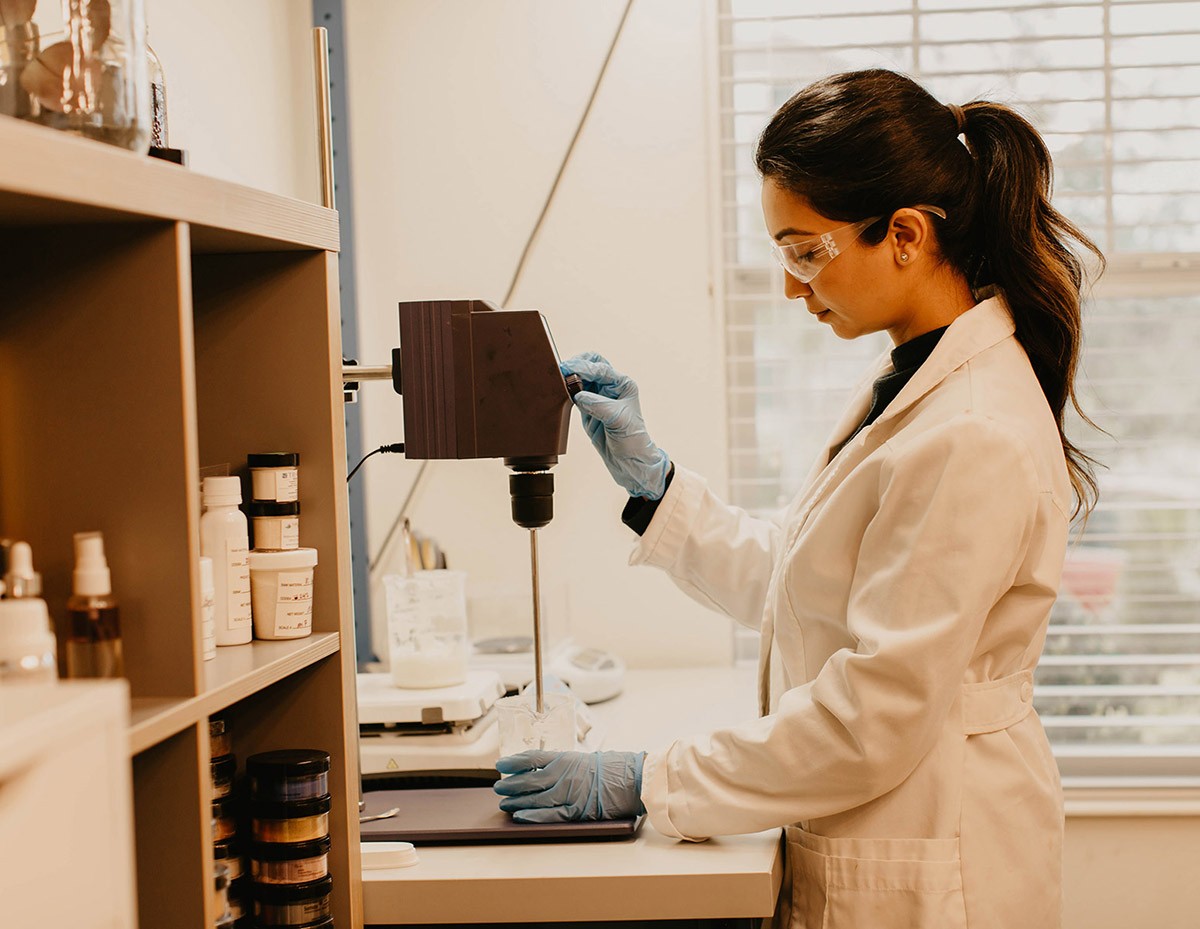
I didn’t start KKT Labs because the beauty industry needed another formulation lab.
I started it because I was frustrated.
Frustrated by how often “innovation” meant repackaging the same ideas. Frustrated by formulas that looked impressive in a pitch deck but fell apart in real life. Frustrated by brands being told they had to choose between clean standards and actual performance.
From the beginning, I knew I wanted to build something different—a lab that cared deeply about how beauty products are made, not just how fast they can be launched.
This is what it actually looks like behind the scenes of a category-shaping beauty lab, and why breakthrough formulation, clean science, and true partnership are inseparable if you want to build products that last.
Category-Shaping Isn’t a Buzzword—It’s a Responsibility
“Category-shaping” gets used loosely in beauty. But in practice, it’s rare.
To me, a category-shaping product doesn’t just sell well. It changes expectations. It forces competitors to rethink their formulas. It raises the standard for what performance, transparency, and integrity look like.
Those products don’t happen by accident.
They’re built slowly, deliberately, and often with a lot of uncomfortable conversations early in the process. Because real innovation usually asks you to abandon shortcuts—and that’s where many projects fall apart.
When brands come to us wanting to “do something disruptive,” the first thing we do is slow down. We ask better questions. We examine assumptions. And we dig into what actually needs to change in the category.
That’s where shaping begins.
Clean Beauty Is Harder Than People Realize
Clean beauty isn’t the easy route. Anyone who’s worked in formulation knows that.
When you remove conventional stabilizers, synthetic solvents, or performance enhancers, the chemistry gets more complex—not less. Stability becomes harder. Texture becomes trickier. Preservation requires real ingenuity.
But that challenge is exactly why I’m so committed to clean science.
At KKT Labs, clean formulation isn’t a marketing layer added at the end. It’s embedded into every decision we make—from ingredient sourcing to delivery systems to how a product behaves six months after launch.
Clean doesn’t mean diluted. And it definitely doesn’t mean underperforming.
When done correctly, clean beauty can outperform conventional formulas—but only if the science is treated with respect.
Where Real Innovation Actually Happens
Most people imagine innovation happening during brainstorming sessions or trend forecasts.
In reality, innovation happens at the bench.
It happens when a formula doesn’t behave the way it should—and instead of forcing it to work, we ask why. It happens when an ingredient performs beautifully on paper but fails in real-world conditions. It happens during rounds of testing that never make it into a marketing story.
A lot of our work at KKT Labs focuses on:
Improving delivery systems so actives actually reach their target
Designing formulas that remain stable without harsh preservatives
Creating systems that are scalable without losing integrity
Developing solutions that don’t already exist in the market
Some of these innovations end up being patentable. Others quietly raise the bar without ever being visible to the consumer. Both matter.
Because innovation isn’t about being loud. It’s about being right.
Why Shelf-Stopping Products Are Engineered, Not Styled
Packaging can attract attention. Performance keeps it.
When someone uses a product for the first time, their body knows immediately whether it works. Texture, slip, absorption, finish—these things register before logic kicks in.
That’s why we obsess over the details most people never see.
We test how a product feels on damp skin. How it behaves in heat. How it ages. How it performs when used differently than intended. Because real consumers don’t follow lab protocols—they follow habits.
A shelf-stopping product earns trust through experience, not claims.
And that experience starts in formulation, not branding.
Working With Brands at Every Stage
Over the years, I’ve worked with first-time founders and global brands alike. The scale may change, but the core challenges are surprisingly similar.
Everyone wants:
Products that genuinely work
Formulas that align with their values
A partner who understands both science and market reality
At KKT Labs, we don’t treat innovation differently based on a brand’s size. What changes is the strategy—not the standards.
Some brands come to us with a rough idea and a lot of passion. Others arrive with tight timelines and high stakes. In both cases, our role is the same: translate vision into reality without compromising integrity.
That’s where experience matters.
Why We Don’t Do Transactional R&D
Formulation isn’t a transaction. It’s a relationship.
I’ve seen too many brands struggle because their lab treated them like a line item instead of a partner. They received a formula, but not insight. A sample, but not support.
That’s not how we work.
True innovation requires conversation, transparency, and sometimes disagreement. It requires a lab that’s willing to say, “This won’t work the way you think it will,” and then explain why.
Some of our strongest partnerships exist because we challenged each other early—and stayed committed to the process.
That trust shows up in the final product.
Sustainability Has to Be Built In—Not Added Later
Sustainability can’t be an afterthought. If it is, it usually shows.
From ingredient sourcing to manufacturing scalability, we evaluate sustainability as part of the formulation process itself. Not because it’s trendy—but because it’s responsible.
We look closely at:
Where ingredients come from
How they’re processed
Their long-term environmental impact
Whether a formula can scale without cutting corners
Sustainability without performance doesn’t survive in the market. Performance without sustainability doesn’t deserve to.
The future of beauty depends on solving both.
Staying Close to the Science
I still spend time on the bench because distance dulls accountability.
Being both a cosmetic chemist and a founder means I’m deeply involved in the work—not just overseeing it. I see where formulas struggle. I understand why certain compromises are tempting. And I know when not to make them.
That proximity keeps our standards high and our process honest.
Innovation isn’t about delegating responsibility. It’s about staying connected to the work long enough to get it right.
What Makes a Product Truly Iconic
Iconic products don’t beg for attention. They earn it.
They work. They last. They make sense. And they reflect care at every level—from formulation to philosophy.
When a product succeeds long-term, it’s rarely because of one thing. It’s the result of hundreds of small, thoughtful decisions made long before launch.
At KKT Labs, our role is to protect those decisions. To make sure the science holds up. To ensure the product does what it promises. And to help brands build trust—not just buzz.
Because in beauty, trust is the most powerful differentiator there is.
Where We’re Headed
The beauty industry is changing, and it should.
Consumers are asking smarter questions. Brands are being held to higher standards. And shortcuts are becoming harder to hide.
That’s a good thing.
The future belongs to brands—and labs—that take science seriously, partnership sincerely, and responsibility personally.
That’s why KKT Labs exists.
Not to blend in.
Not to follow trends.
But to help build what comes next—with intention, integrity, and care.
Share on





Other Articles
Categories