Mar 25, 2026
Understand how clean beauty labs guide product development, formulation, and manufacturing from concept to launch.
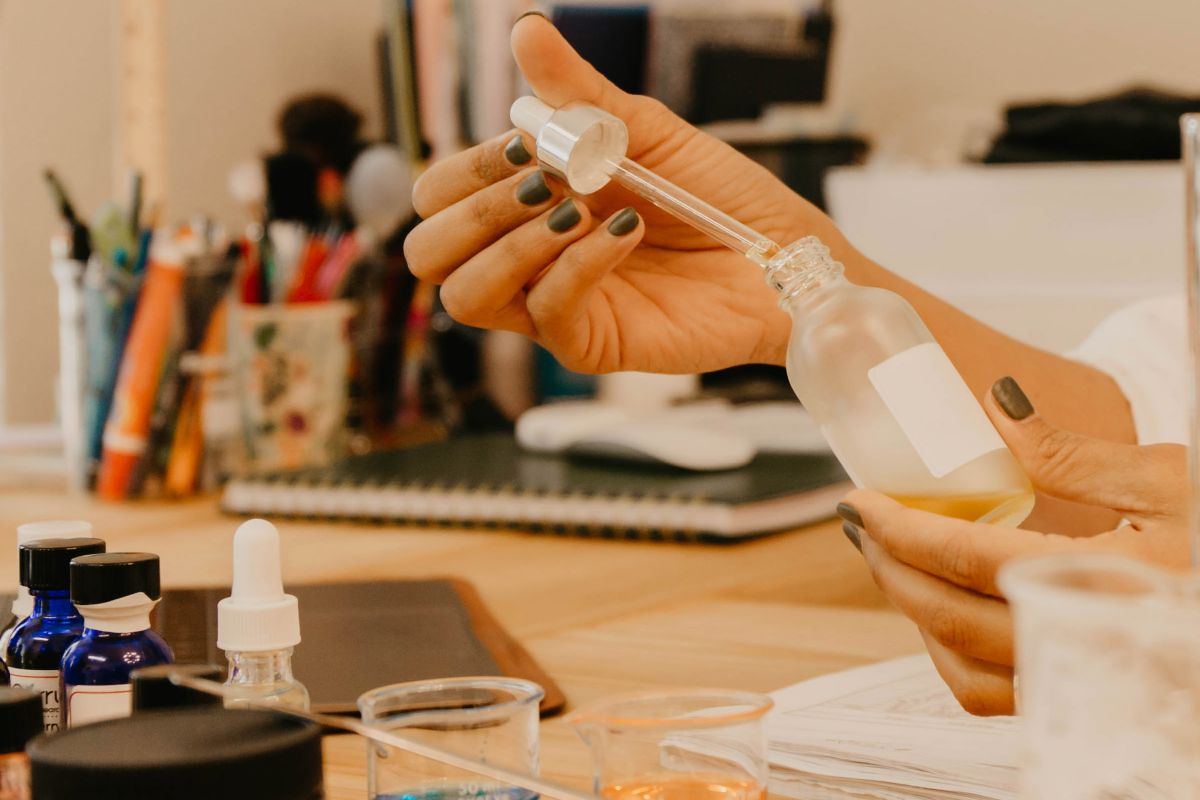
Developing a beauty product today requires more than a compelling concept. It requires a clear process, scientific rigor, and alignment between formulation and production.
For many founders, working with a clean beauty lab is the turning point between idea and execution.
But what does that process actually look like?
Understanding what to expect can help you make better decisions, avoid common delays, and move forward with confidence.
What Does a Clean Beauty Lab Do?
A clean beauty lab develops and prepares products that align with modern standards for safety, transparency, and ingredient integrity.
This typically includes:
Custom formulation
Ingredient sourcing and evaluation
Stability and performance testing
Regulatory guidance
Manufacturing preparation
Unlike a traditional natural cosmetic manufacturer, a clean beauty lab often takes a more integrated approach. It focuses on both the formulation itself and how that formula performs in real-world conditions.
How a Clean Beauty Lab Supports Product Development
A strong clean beauty lab acts as both a technical partner and a strategic guide.
Rather than simply producing a formula, they help shape the product from concept through production readiness.
This includes aligning:
Product goals and positioning
Ingredient selection and performance
Manufacturing feasibility
Long-term product stability
This alignment is what separates successful product launches from those that encounter setbacks.
The Step-by-Step Process of Working With a Clean Beauty Lab
Discovery and Concept Alignment
The process begins with understanding your vision.
A clean beauty lab will ask detailed questions about:
Target customer
Product type and format
Desired texture and performance
Brand positioning
Clean beauty standards or restrictions
This stage ensures that development starts with clarity.
Formulation and Ingredient Selection
Once the concept is defined, formulation begins.
A cosmetic chemist develops a formula that aligns with both performance and clean beauty principles.
This involves:
Selecting functional ingredients
Balancing stability and texture
Ensuring compatibility across the formula
Ingredient selection is not just about trends. It must support both efficacy and manufacturability.
Iteration and Refinement
Initial formulations rarely meet all goals immediately.
Labs typically go through multiple rounds of refinement to achieve:
Desired texture and feel
Stability under different conditions
Consistent performance
This stage is where precision matters most.
Testing and Validation
Before production, the formula must be validated.
Testing typically includes:
Stability testing
Microbial testing
Packaging compatibility
Shelf life evaluation
This ensures the product performs as expected over time.
Preparing for Manufacturing
A formula that works in the lab must be adapted for production.
A clean beauty lab ensures the formula can scale effectively.
This includes:
Adjusting batch sizes
Aligning with manufacturing equipment
Maintaining consistency across production runs
This step reduces the risk of production issues later.
Clean Beauty Lab vs Natural Cosmetic Manufacturer: What’s the Difference?
This is a common question.
A natural cosmetic manufacturer typically focuses on producing products at scale. Their role is often centered on execution.
A clean beauty lab, by contrast, focuses on development and formulation first.
The key differences:
Clean beauty labs prioritize formulation strategy and testing
Manufacturers prioritize production and efficiency
Labs often guide early-stage product development
Manufacturers typically engage once formulas are finalized
The most effective partnerships often combine both capabilities.
What Makes a Clean Beauty Lab Different?
Clean beauty labs operate with a more nuanced approach to formulation.
Ingredient Transparency
They prioritize clear, understandable ingredient choices.
This aligns with consumer expectations around clean beauty.
Performance Without Compromise
Clean formulations must still perform.
Labs focus on achieving results without relying on restricted ingredients.
Scientific Rigor
Despite the “clean” label, the process remains highly technical.
Every ingredient and interaction is carefully evaluated.
Regulatory Awareness
Clean beauty does not eliminate regulatory requirements.
Labs ensure that products meet all necessary safety and labeling standards.
Common Challenges When Working With a Clean Beauty Lab
Even with the right partner, challenges can arise.
Longer Development Timelines
Clean formulations can take longer to refine due to ingredient limitations.
More Iteration Required
Achieving both performance and clean standards often requires multiple revisions.
Ingredient Constraints
Some ingredients may not meet clean beauty criteria, requiring alternatives.
Production Considerations
Clean formulations can be more sensitive during manufacturing.
This makes early planning essential.
How to Choose the Right Clean Beauty Lab
Not all clean beauty labs operate the same way.
When evaluating a partner, consider:
Experience with clean formulations
Understanding of manufacturing processes
Ability to scale products effectively
Clear communication throughout development
If you are exploring clean beauty labs, it is important to work with a partner who understands both formulation and production.
The Role of Cosmetic Product Development Consultants
In many cases, clean beauty labs also act as cosmetic product development consultants.
They help guide decisions beyond formulation, including:
Product strategy
Development timelines
Manufacturing readiness
This broader perspective helps ensure that every step supports the final product.
FAQ: Working With a Clean Beauty Lab
What is a clean beauty lab?
A clean beauty lab develops products that prioritize safe, transparent, and thoughtfully selected ingredients. They focus on both formulation and how the product performs in real-world conditions.
How is a clean beauty lab different from a manufacturer?
A clean beauty lab focuses on formulation and development. A natural cosmetic manufacturer focuses on producing products at scale. Many brands work with both.
How long does it take to develop a product with a clean beauty lab?
Timelines vary, but most products take several months. This includes formulation, testing, and refinement. Clean formulations may require additional iteration.
Do clean beauty labs help with regulations?
Yes. Clean beauty labs help ensure products meet safety and labeling requirements. They guide compliance throughout development.
Can a clean beauty lab help with custom formulations?
Yes. Most clean beauty labs specialize in custom formulations. They create products tailored to your brand’s goals and standards.
How much does it cost to work with a clean beauty lab?
Costs can vary depending on the complexity of the formulation, the number of revisions required, and the level of testing involved. Custom formulations typically require a higher investment than private label products because they are developed from scratch. Most clean beauty labs structure pricing based on development phases, including formulation, testing, and production readiness. Working with an experienced partner early often helps reduce long-term costs by avoiding reformulation and production issues.
Where Clean Beauty Meets Real-World Execution
Working with a clean beauty lab is not just about creating a formula. It is about building a product that performs consistently from development through production.
The right partner brings together science, strategy, and execution.
If you are looking for a clean beauty lab that can guide your product from concept through manufacturing readiness, you can explore how KKT Labs approaches formulation, testing, and development.
Share on





Other Articles
Categories